
- Examination
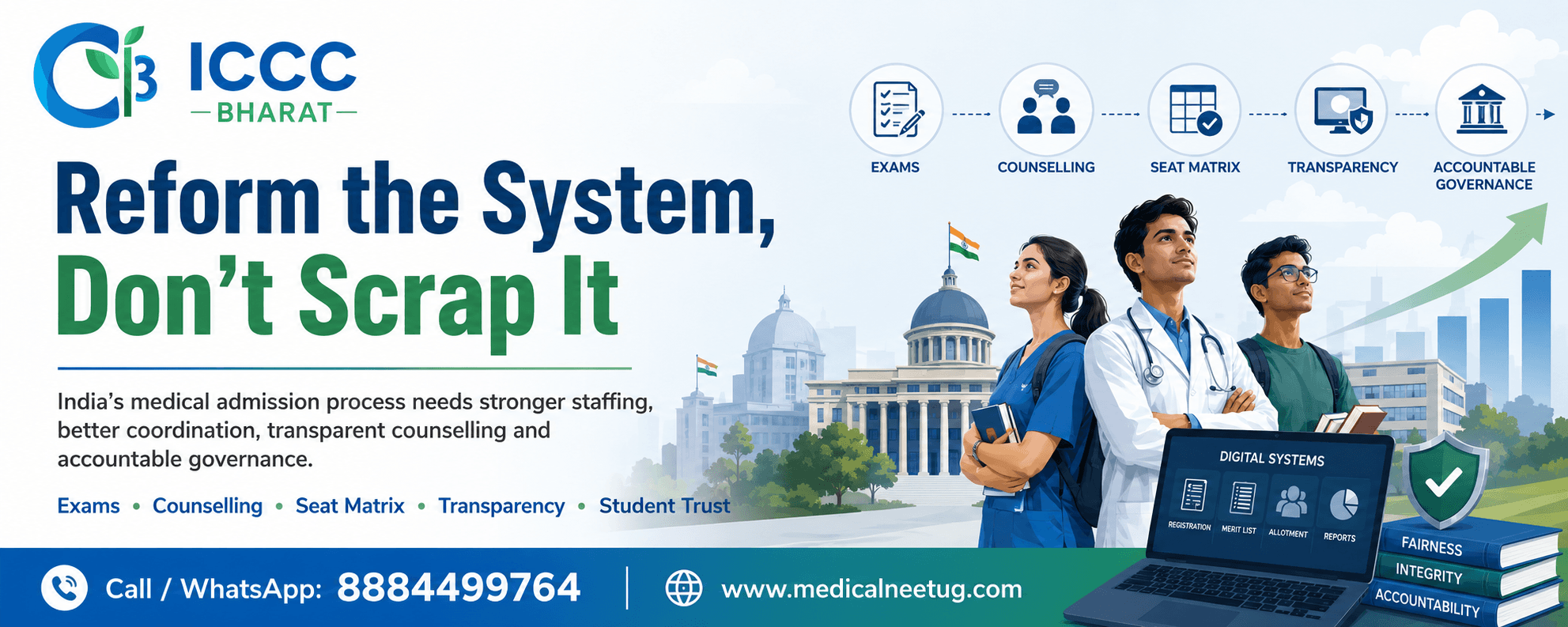
Reform the Exam System, Don’t Scrap NTA

The NEET-UG 2026 paper leak controversy has once again shaken the confidence of students and parents across India. For lakhs of families, NEET is not just an entrance exam. It is years of sacrifice, coaching fees, hostel life, sleepless nights, emotional pressure and one dream — to become a doctor.
When such an exam is cancelled due to paper leak allegations, the pain is not only academic. It is emotional, financial and psychological. Students who prepared honestly feel punished for no mistake of theirs. Parents feel helpless. The system loses trust.
But at this point, the question should not only be whether NTA should be scrapped. The bigger question is: How do we reform the examination system so deeply that students never face this trauma again?
NTA Handles a Huge Examination Ecosystem
The National Testing Agency does not conduct only one exam. It manages several major national-level examinations, including NEET-UG, JEE Main, CUET, UGC-NET and other specialised tests for ministries, regulators and institutions.
This means NTA handles lakhs and even crores of test events every year across multiple languages, thousands of centres, rural and urban regions, and different academic streams.
Such a large testing ecosystem cannot be run casually. It requires permanent leadership, trained manpower, strong technology, clear protocols, real-time monitoring and strict accountability.
NEET-UG 2026 Exposed the Weakest Link
NEET-UG is still conducted in pen-and-paper mode. At this scale, a physical paper system becomes highly vulnerable.
The question paper has to be prepared, translated, printed, packed, stored, transported, opened and distributed at thousands of centres. Every physical step becomes a possible weak point.
For honest students, even one weak link can destroy months of preparation.
This is why reform is urgent. The system cannot depend only on trust. It must be protected by technology, law, accountability and professional management.
CBT Can Reduce Some Risks
Computer-Based Tests are not risk-free, but they reduce many dangers linked to physical paper movement.
In CBT mode, question papers can be delivered through encrypted systems. Access can be controlled. Sessions can be monitored digitally. Audit trails can be maintained. If a problem happens in one centre or one shift, that session can be isolated and corrected without cancelling the entire examination for lakhs of students.
This is one reason why NEET-UG should gradually move towards a secure CBT or hybrid model, with proper infrastructure and support for rural students.
But CBT alone is not enough. Technology must come with honest governance.
The Real Problem Is Weak Structure and Accountability
The NEET crisis is not only about a paper leak. It also exposes deeper administrative problems.
If an agency is conducting exams for more than one crore test events in a year, it cannot run with vacant posts, temporary arrangements, outsourced dependency and unclear responsibility.
Reports of senior vacancies and lack of permanent manpower inside NTA raise serious concerns. A national testing body must have competent people in technology, cybersecurity, logistics, examination law, data management, audit, finance and grievance redressal.
Appointments should not be influenced by lobbying or convenience. They must be based on proven experience, integrity and capability.
India has enough talented professionals. The problem is not lack of people. The problem is lack of transparent selection and serious institutional planning.
Reform Should Be Serious, Not Cosmetic
After every controversy, committees are formed, reports are written and promises are made. But students need more than statements.
India needs real reform:
Clear responsibility at every level
Permanent and qualified manpower
Strict exam security protocols
Digital tracking of question paper movement
Encrypted paper transmission systems
Biometric and face authentication
AI-based anomaly detection
Independent audit of exam processes
Strong cybercrime coordination
Faster grievance redressal
Public accountability after every failure
The Radhakrishnan Committee recommendations should not remain on paper. They must be implemented with deadlines, monitoring and public reporting.
Do Not Punish Honest Students Again and Again
The worst part of any paper leak is that honest students suffer the most.
A student may have travelled hundreds of kilometres. A family may have spent money on coaching, rent, food, exam travel and emotional support. Many students are repeaters who have already given one or two years of their life to this exam.
When the system fails, their pain cannot be dismissed as a technical issue.
Students need assurance that their hard work matters more than money, contacts or manipulation.
Reform NTA, Strengthen It, Make It Accountable
Scrapping an institution may sound attractive during anger, but the real need is to rebuild it with stronger legal and administrative foundations.
NTA should be made more accountable, more transparent and more professional. If needed, it should be given statutory backing through Parliament, with clear responsibility, audit power and public reporting.
The agency must not become a body that conducts exams but avoids accountability when things go wrong.
A national testing agency must be independent, competent and answerable.
Conclusion
The NEET-UG 2026 crisis is a painful reminder that India’s examination system needs urgent reform. But reform should be thoughtful, practical and student-centric.
The goal should not be only to blame NTA or defend NTA. The goal should be to build an examination system that students can trust.
India’s students deserve fair exams. Parents deserve peace of mind. Honest preparation deserves protection.
Reform the test. Strengthen the system. Fix accountability. Protect students.